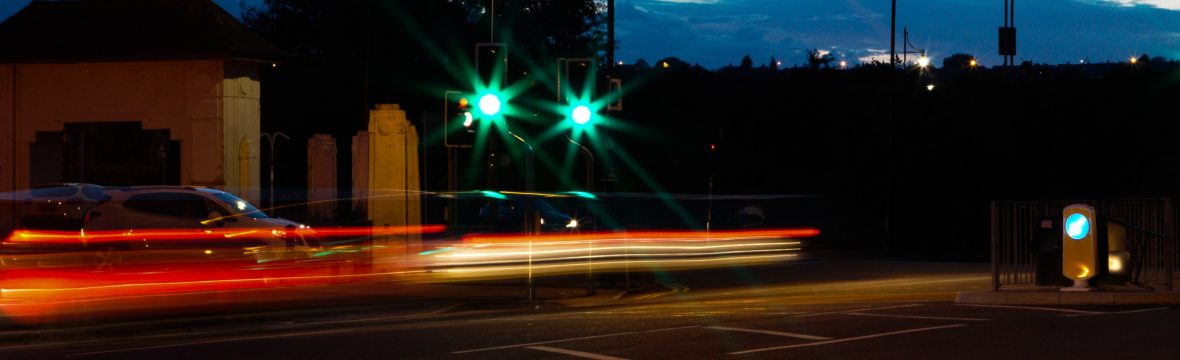
A photograph gives us the impression that we are there. By offering us a point of view on an event or scene, we are tricked, however momentarily, into believing that we’re looking at the scene rather than a photograph of the scene.
We are not witnesses, only the photographer was there, but the photograph gives us the impression that we are. Once we realise that we’re looking at a piece of paper with a version of reality on it, rather than reality itself, we can begin to understand more fully the information we’re being offered, try to uncover it’s context, and reconsider our position to it in a more informed and critical manner.
Find some examples of news stories where ‘citizen journalism’ has exposed or highlighted abuse of power.
How do these pictures affect the story, if at all? Are these pictures objective? Can pictures ever be objective?
Write a list of the arguments for and against. For example, you might argue that these pictures do have a degree of objectivity because the photographer (presumably) didn’t have time to ‘pose’ the subjects, or perhaps even to think about which viewpoint to adapt. On the other hand, the images we see in the newspaper may be selected from a series of images and how can we know the factors that determined the choice of final image?
Think about objectivity in documentary photography and make some notes in your learning log.
Citizen Journalism (Oxford dictionary) Noun –
Reports and pictures of events recorded by ordinary people and shown especially on the internet – citizen journalism websites – distrust of the news media led to the rise of citizen journalism – the media used citizen journalism including camera phone photos and eyewitness accounts in covering the tsunami.
Source – http://www.oxfordlearnersdictionaries.com/defination/english/citizen-journalism?q=citizen+journalism [Accessed 09/02/20]
There are many websites out there today that are specifically used for ordinary people to report their versions of events as well as images. Many news website also often rely on citizens to supply their images taken of events to supplement their stories.
On the BBC website, their is a section that asks for the public to send in details of any events or stories that has happened to them along with any images they may have. The BBC supplies their details on their website in a variety of ways for the public to do this.
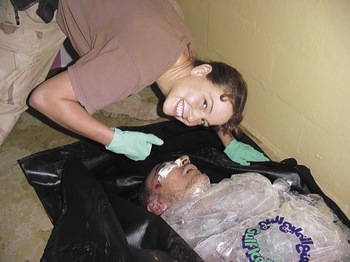
I found it difficult to find an example where I was certain it was citizen journalism. While researching I came across the story of Abu Ghraib. This seems to have been a huge story about torture and prisoner abuse. I hadn’t heard of this happening until now. There has been many stories in the news about this event. All over these websites and stories consists of images which seemed to have been taken by the abusers themselves.
I am not sure if this story falls into the category of Citizen Journalism; was the Soldiers classed as citizen’s when the images were being taken? However, as I have understood it, the images was ‘leaked’ to the media, in which case the images was not for the public to view. Did a citizen find the images and send them to the media to be published?
The Soldiers had no experience in running a prison, neither did they undergo any training in handling prisoners. The officers abused their power to extreme measures, they abused the prisoners and abused their Human Rights.
In this case, the Soldiers were able to pose the prisoners, then pose themselves in a way in which showed they were enjoying themselves.
http://www.wired.com/2008/03/convicted-abu-g/ [Accessed 19/02/2020]
http://www.newyorker..com/magazine/2004/05/10/torture-at-abu-ghraib [Accessed 19/02/2020]

 Amianne Riggott OCA Blog