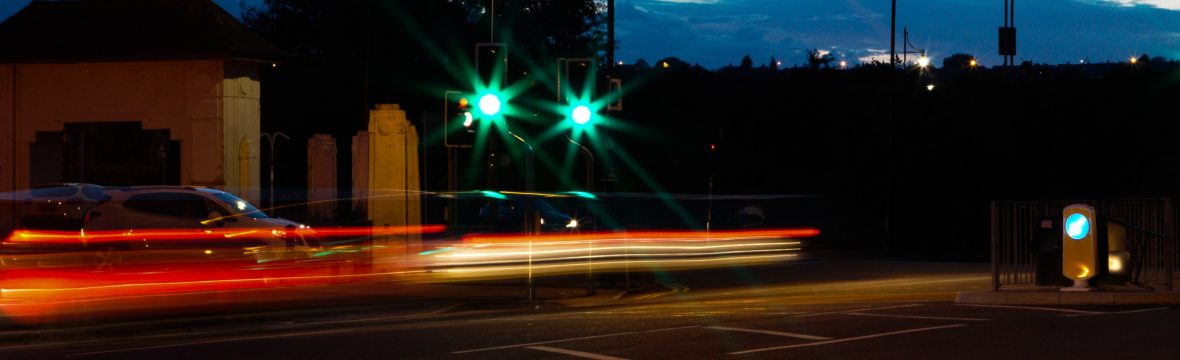
Cut out some pictures from a newspaper and write your own captions.
How do the words you put next to the image contextualise/re-contextualise it?
How many meanings can you give to the same picture?
Try the same exercise for both anchoring and relaying.
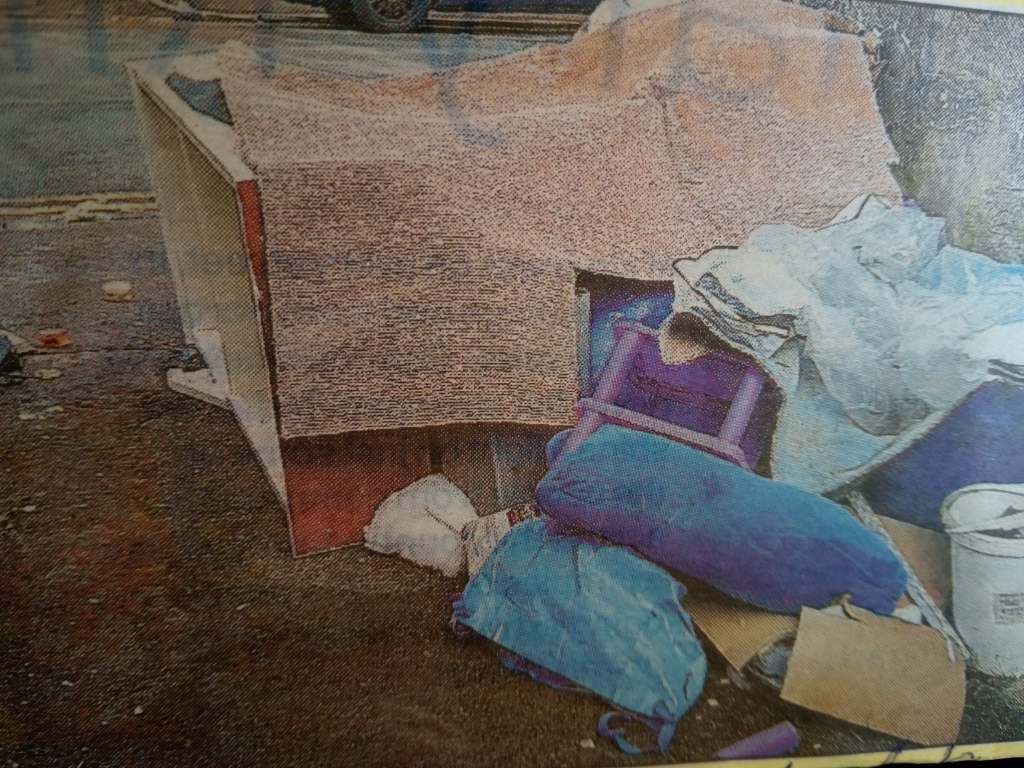
Anchor headlines
- Fly-tipping is becoming a huge problem
- Bin men refused to take my rubbish!
- House clear out has begun
- Rubbish left behind, everywhere!
Relay headlines
- Clean up your act
- What is that smell?
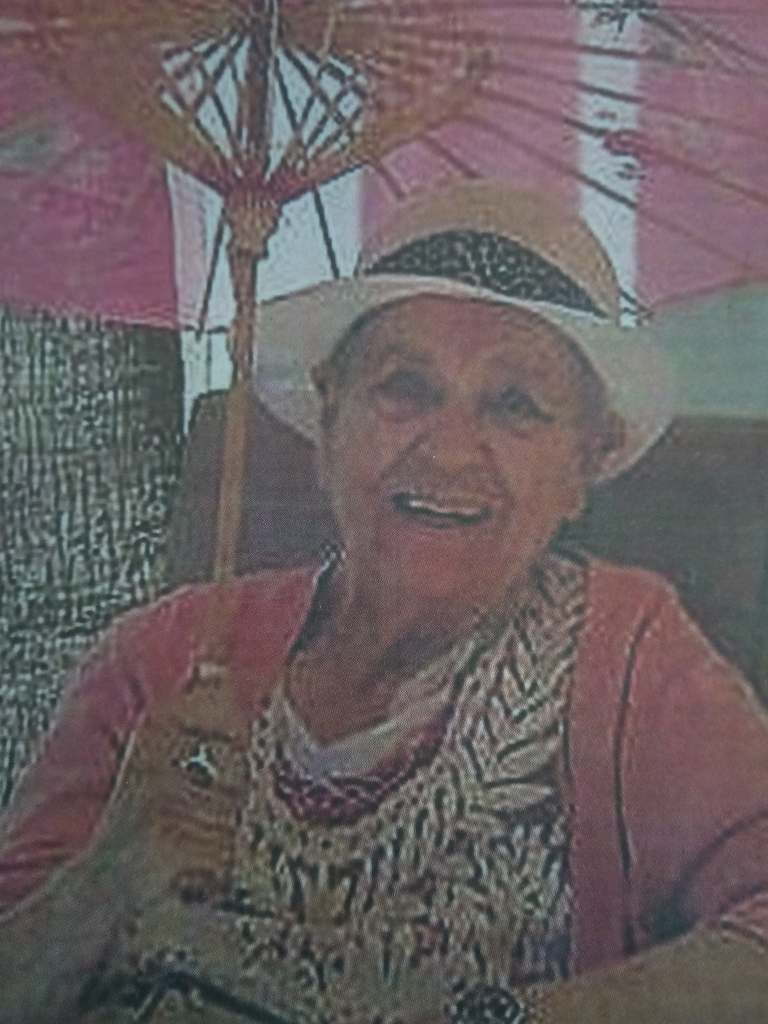
Anchor headlines
- Woman celebrates 100th birthday
- Elderly lady enjoys her holiday
- Brave woman beats cancer
Relay headlines
- Just chilling
- Japan
- Stylish umbrella
Anchor – In news stories the text that accompanies pictures is usually there to control meaning – to stop the image from being interpreted in a manner that isn’t in keeping with the political views of the newspaper, for example. In advertising his type of anchoring text is used to fix the meaning of the image into one clear and distinct message (I.e. why you should buy this product).
Relay – In the second definition the text has equal status with the image. Image and text bounce off each other and create a fuller picture that allows for ambiguity and various interpretations. This is more in line with a postmodern view of narrative.
It’s interesting to see how text accompanying an image can change its story. It also makes me think about how true stories are in the newspaper in relation to the images.
I found the relay headlines a lot more difficult to come up with, however very powerful. It requires a lot more thought from the viewer.

 Amianne Riggott OCA Blog